Congratulations to the IMRB teams for securing external funding for 2026! Three teams have just secured substantial funding for the new year, and we offer them our warmest congratulations!
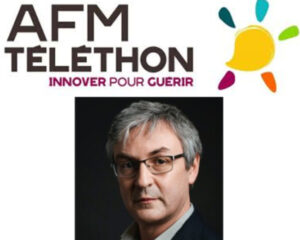 Fred RELAIX, for his project “AFM strategic pole Translamuscle III (2026-2030): A translational program for muscle biology, neuromuscular disorders, and therapeutic development”
The AFM-Telethon Board of Directors has given its approval in principle for a total amount of €6.75 million, including continued support for the canine platform until 2027.
Frédéric RELAIX: “This renewal marks recognition of the quality of the collective work accomplished within the framework of Translamuscle II and the renewed confidence of the AFM-Telethon in our teams and our supervisory bodies. I would like to warmly thank all the project leaders and partners involved for their commitment and the richness of the collaborations that have been established, as well as our supervisory bodies Inserm, UPEC, and EnvA for their support.”
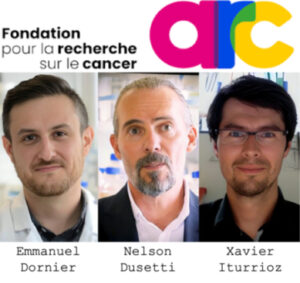 Emmanuel DORNIER, BARTOLUCCI team, for his first €450k grant from the ARC Foundation as part of the Pancreas 2025 call for projects
Emmanuel DORNIER: “This €450k grant over three years will enable our team, in collaboration with the teams led by Nelson DUSETTI (CRCM, Marseille) and Xavier ITURRIOZ (CEA, Servent team), a project aimed at understanding the role of stromal G protein-coupled receptors (GPCRs) in extracellular matrix production, tumor invasion, and treatment resistance in pancreatic cancer. This ARC funding helps to enhance the visibility and attractiveness of the oncology research carried out by the IMRB, in a context of increased structuring around the Mondor University Cancer Institute.”
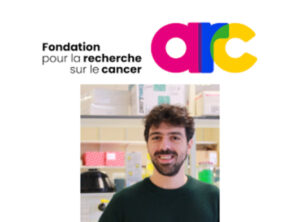 Stefano CARUSO, PAWLOTSKY team, has obtained €450,000 in funding over three years from the ARC Foundation for Cancer Research as part of the ARC 2025 certified programs.
Stefano CARUSO: “Our project aims to better understand the very early stages of hepatocellular carcinoma (HCC), the most common form of liver cancer, by studying the molecular and immune mechanisms that lead to the malignant transformation of early liver lesions. Using cutting-edge multi-omic and spatial approaches, this research aims to identify predictive biomarkers and new avenues for the prevention and early detection of liver cancer.”

Incoming seminars
Unraveling the immune tumor micro-environment using spatial transcriptomic at the single cell level :
«Marine LOUARN - 1:00 p.m. – ZOOM webinar»
HIV-1 env glycoprotein as a vaccine target: from traditional approaches to ai-based protein design :
«Yoann ALDON - 12:00 p.m. – BRB Conference Room»
Duchenne Muscular Dystrophy drives T Cell remodeling :
«Yvan TORRENTE - 10.00 am – BRB Conference Room»